


The Trail is the Destination....
Trail-Riding-the learning Curve
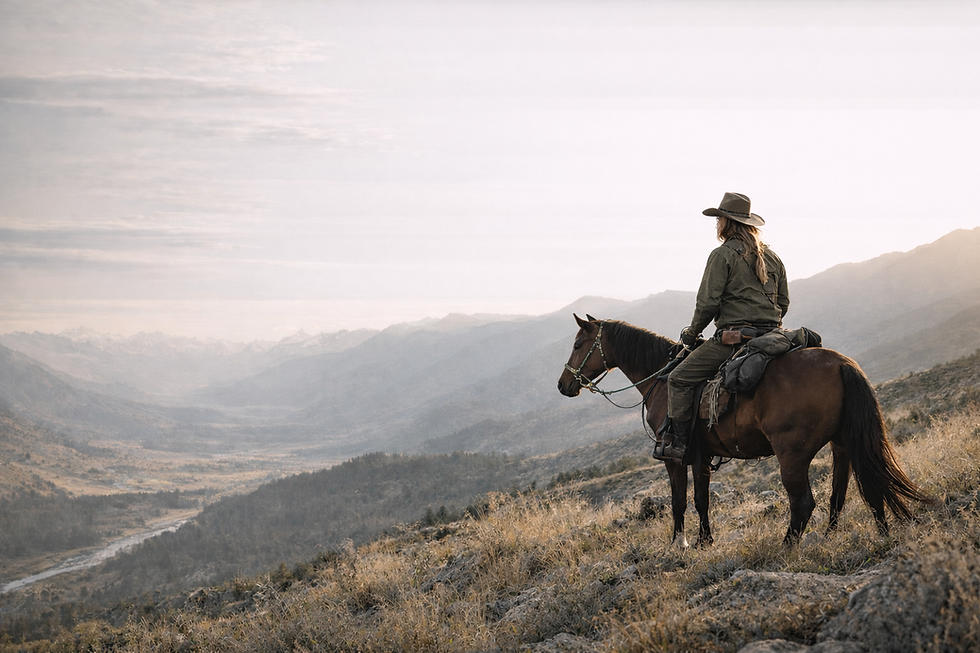
This page provides an overview of the services offered by this website relating to trail riding – from horse training to guided rides and courses to independent trail rides.
Trail riding is understood here as a practice in its own right.
It combines handling your own horse, being out and about in the countryside and the ability to take responsibility over a longer period of time. The services offered by this website are divided into several interrelated areas.
Die Begrenzung deines Pferdes ist dein eigenes Vorstellungsvermögen
Wie sieht Wanderreiten in der Praxis aus?
Viele Aspekte des Wanderreitens lassen sich nur im Gelände wirklich verstehen – nicht durch Beschreibung allein.
Dieses Video erklärt reale Situationen und gibt Einblicke in die Ausbildung von Pferd und Reiter unter echten Bedingungen.
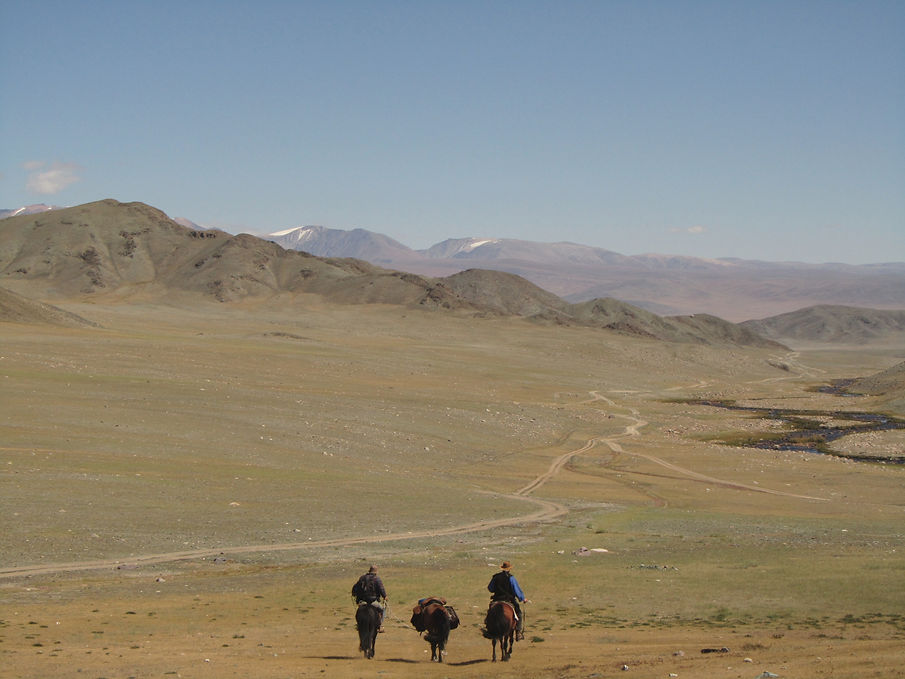
Wanderreiten mit dem eigenen Pferd
Was bedeutet Wanderreiten?
Wanderreiten bedeutet, mit der Natur zu arbeiten – nicht gegen sie.
Für ein Pferd ist Bewegung in der Natur etwas Ursprüngliches. Für den Reiter ist es eine Aufgabe, die gelernt werden muss.
Die Grundlage dafür ist Vertrauen. In der Herde orientieren sich Pferde an einer Leitstute. Auf einem Wanderritt übernimmt der Reiter diese Rolle – nicht durch Zwang, sondern durch Ruhe, Übersicht und klare Entscheidungen.
Mensch vs. Pferd
Oft wird angenommen, dass das Pferd der limitierende Faktor ist. In der Praxis zeigt sich etwas anderes. Pferde sind dafür gemacht, sich täglich über weite Strecken zu bewegen.
Beim Wanderreiten ist oft nicht das Pferd das Problem – sondern der Reiter, dessen Fitness dem Pferd hilft, oder es belastet.


Was das in der Praxis bedeutet
Probleme entstehen meist durch:
-
Unsicherheit des Reiters
-
fehlende Erfahrung
-
mangelnde Vorbereitung
Das Pferd reagiert nicht falsch.
Es reagiert auf den Menschen.
Das Wanderreitpferd
Nicht jedes brave Pferd ist automatisch ein gutes
Wanderreitpferd.
Ein gutes Wanderreitpferd zeichnet sich aus durch:
-
Gelassenheit im Gelände
-
sichere Bewegung auf unterschiedlichem Untergrund
-
körperliche Belastbarkeit über mehrere Tage
-
mentale Stabilität in ungewohnten Situationen
Viele Pferde können zu guten Wanderreitpferden werden.
Entscheidend ist das Zusammenspiel von Ausbildung,
Haltung und Erfahrung.
-
Viele Pferde gehen ins Gelände..
-
Wenige sind von Haus aus echte Wanderreitpferde
Wie bilde ich ein Wanderreitpferd aus?
Die Ausbildung beginnt nicht mit langen Ritten.
Sie beginnt im täglichen Umgang mit dem Pferd.
Zur Ausbildung gehören:
-
sichere Arbeit vom Boden
-
klare Kommunikation
-
Gelassenheit gegenüber Umweltreizen
-
Vertrauen und Orientierung
Die Grundlagen dafür werden in der Wanderreit-Akademie vermittelt.


Vorbereitung auf einen Wanderritt
Viele Probleme entstehen nicht im Gelände – sondern vorher.
Zu einer realistischen Vorbereitung gehören:
-
ehrliche Einschätzung
-
Planung von Strecke und Etappen
-
Informationen über Gelände
-
passende Ausrüstung
Mehr dazu: Wanderreiter-info
Die Ausrüstung
Ausrüstung kann einen Wanderritt erleichtern – sie ersetzt jedoch keine Ausbildung oder Erfahrung.
Wichtig sind:
-
ein gut angepasster Sattel
-
eine einfache Packlösung
-
passende, funktionelle Ausrüstung
Mehr dazu: Ausrüstung für Wanderritte
Wanderritte und praktische Erfahrung
Wanderreiten lässt sich nicht aus Theorie lernen.
Erfahrung entsteht im Gelände.
-
Praktische Erfahrung sammelst du auf geführten Wanderritten und Ausbildungstouren.
How do I get started: from beginner to independent long-distance rider.
Der Einstieg beginnt nicht mit der ersten mehrtägigen Tour.
Typischer Ablauf:
-
Grundausbildung
-
Training im Gelände
-
erste längere Ritte
-
mehrtägige Touren
Jeder Schritt baut auf dem vorherigen auf.
Realität im Gelände
Der erste mehrtägige Ritt verändert vieles.
-
das Pferd reagiert anders
-
der Reiter entscheidet anders
-
die Umgebung wird zum Faktor
Der Moment, der bleibt: Das ist das Ergebnis von Vorbereitung.
PFERD EINSCHÄTZEN
Ist mein Pferd bereit für einen Wanderritt?
Nicht jedes Pferd ist automatisch geeignet.
Mehr dazu: Ist mein Pferd bereit für einen Wanderritt


The training of a trail riding horse begins with the rider.
A horse can only travel calmly when the rider provides clarity, consistency, and security.
As Parelli says: Play with the horse — work on yourself.
You bring your horse, and we work in the round pen so I can see where you and your horse are in your communication.
We focus on how you communicate, how your horse responds, and what you can adjust to create more calm and understanding.
Consistent Leadership
Confident Horses
Confident Riders
The Trail Skills Parcours turns preparation into real-world practice.
Horse and rider work through natural trail obstacles to develop balance, clarity, and confidence.
You bring your own horse.
We work step by step through situations commonly found on real trails.
The focus is calm leadership, clear communication, and giving the horse the space to think — rather than pushing through pressure.
Ultra-light trail riding begins with clarity about what truly matters.
Reducing weight is not about minimalism — it is about responsibility toward your horse.
Every item has a purpose. We examine what you carry, why you carry it, and what can be left behind. The focus is thoughtful preparation, efficient packing, and deliberate choices that protect your horse’s comfort, balance, and endurance on the trail.
Travelling lighter also reduces the impact we leave behind — allowing us to move through nature with greater respect for the places we ride.
Navigation on the trail is about orientation, not dependence on technology.
GPS is a tool to support good decisions, not to replace awareness.
We work on route planning, reading terrain, and using GPS devices correctly.
The focus is on understanding where you are, where you’re going, and how to adjust your plan when conditions change.

Trail Riding – A Journey into Freedom with Your Horse
The first ray of sunlight slips through the treetops. Your horse is already awake, ears flicking with that unmistakable “Something is happening today” expression. He knows. You know. Today is not about circles in an arena. Today, you are setting out.
Not just across forests, meadows, and mountains.
But toward something quieter, deeper — toward yourselves.
Trail riding is not a hobby. It’s not tourism. It’s not “a nice ride in nature.”
It is an adventure that welds two beings together. It strengthens the invisible thread between you and turns rider and horse into something stronger than the sum of its parts: a team.
The Horse as Partner – Trust on Four Hooves
A trail horse is not equipment.
It is not a vehicle with a mane.
It is a partner. A companion. A thinking, feeling being with opinions — sometimes inconvenient ones.
Out on the trail, you begin to read the language of ears, breath, tension, and relaxation. You notice the smallest shift under the saddle. You feel when your horse pauses, lifts his head, and focuses on something far beyond your human senses.
A branch cracks in the distance.
The wind changes direction.
The scent of wildlife drifts through the air.
Your horse knows long before you do.
And here is the humbling truth: in the wilderness, your horse is often the more competent one.
On long rides especially, the relationship between rider and horse becomes everything.
You must trust each other. You must offer each other safety.
A trail horse is not a sports device.
It gets tired. It gets curious. It feels uncertainty. It feels joy. When you respect this — when you truly strengthen that bond — your horse will not merely carry you across rough terrain. It will carry you through challenges you didn’t even know were waiting.
Through the Wild Together – More Than Transportation
Your horse does not simply move you from point A to point B.
It evaluates footing before stepping into a stream.
It chooses balance over haste on rocky climbs.
It lowers its head to examine the ground like a seasoned engineer.
An experienced trail rider learns to ask silently:
Is my horse tired?
Does he need a pause?
Is this path right for him?
You do not force a horse over a difficult crossing.
You show the way. You give time. You allow decision.
And when you handle it correctly, your horse follows willingly — not out of submission, but out of trust.
And then, there are those unforgettable moments.
You are the tired one now.
Your legs feel heavy. The trail stretches endlessly.
And suddenly, your horse lifts his head, steps forward with renewed energy — as if to say:
“Don’t worry. I’ve got this. We go together.”
If you’ve felt that moment, you know: this is not riding. This is partnership.
Nights Under the Stars – Where the Bond Deepens
After a long day, you reach camp.
The fire crackles.
Your horse grazes quietly.
The moon rises over the trees.
You run your hand along his warm neck and feel the muscles beneath his coat. Without him, you would not be here. He carried you. He overcame obstacles. He lent you his strength.
There is something profoundly honest about sharing a night with your horse under the open sky.
No stall walls.
No arena fences.
No separation.
Just nature. And trust.
In these moments, you understand: your horse is not a possession. Not a tool. Not a project.
It is a companion through the world.
And you are allowed to walk that world together.
Conclusion – A Journey for Heart and Soul
Trail riding is not merely sport.
It is not simply leisure.
It is a journey into the soul of your horse — and into your own.
It teaches humility before nature.
Respect for the strength of your horse.
And fluency in a language spoken without words.
Once you have traveled through untouched landscapes with your horse, you will never see the world the same way again.
You will understand trust, patience, and partnership in a way no classroom can teach.
And when you return home, something will be different.
You will not have just ridden.
You will have grown.
You will have learned.
And you will have gained a friend for life.
Author: Casalinka Maya
Copied with permission